Reading wind in the Columbia Basin
Wind is the single biggest variable on Basin water, and it’s more predictable than it looks. How to plan around it instead of being surprised by it.
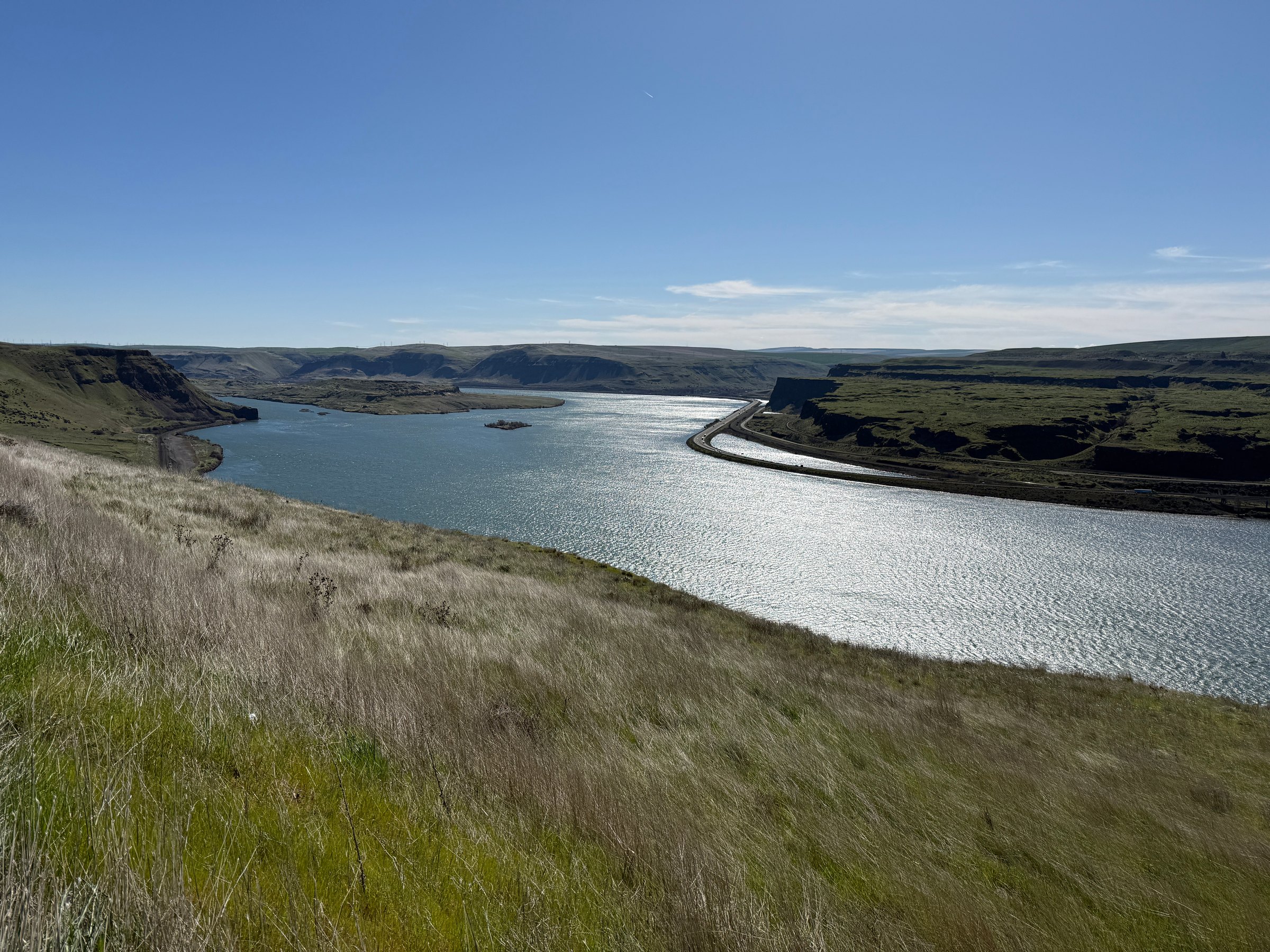
If you fish central Washington, wind decides more of your season than any other single factor. It closes water, it opens water, and depending on what you’re chasing it can improve the bite or end the day. Here’s how to think about it.
The daily pattern is your friend
Basin wind is largely thermal. Cool air overnight, heating through the morning, pressure gradients driving flow through the afternoon. The practical consequence is that the wind is almost always lightest at first light and builds through the day.
That single fact is worth more than any forecast. On most summer days you’ll get usable conditions from dawn to somewhere between ten and noon, even when the afternoon is forecast to blow fifteen to twenty. If you need calm water and the day looks marginal, the answer isn’t a different day — it’s an earlier start.
Wind is species-specific, not universally bad
A moderate chop is genuinely good for walleye. It cuts light penetration, pushes bait onto windward structure, and gives you a free controlled drift for a bottom-bouncer. Anglers call it walleye chop for a reason.
The same wind that helps a walleye drift will wreck a drop-shot presentation on an offshore hump, because finesse fishing depends on boat control. It’ll blow a fly line into a heap. It does very little either way to a largemouth buried in flooded willows, which are sheltered anyway.
So “is it windy” is the wrong question. “Is it windy for what I’m doing” is the right one.
Geography beats forecast
Two waters twenty miles apart can be completely different days. What matters is fetch — the distance wind travels uninterrupted over water — and shelter.
A large open reservoir with a long fetch builds real waves, and becomes genuinely dangerous in a strong blow. A coulee lake with steep walls throws a lee on one side almost regardless of speed. Flooded structure — drowned dunes or timber, for instance — breaks wind before it ever builds a wave.
On a day that looks unfishable, the move usually isn’t waiting. It’s moving to water with less fetch.
Where it stops being a fishing question
There’s a line past which wind stops being about the bite and starts being about safety, and it moves depending on the water. Thirty-plus mile-per-hour gusts on a small sheltered arm is an unpleasant day. The same gusts on a big open reservoir is a serious hazard.
The Fishability Index Engine treats this as a veto rather than a penalty — no score, however strong, overrides genuinely dangerous conditions. That design choice exists because a system that merely docks points will eventually produce a tempting number on a day you shouldn’t be out there.
The short version
Fish mornings. Match the wind to the technique rather than avoiding it. When it’s blowing, change water rather than cancelling. And know the line where it stops being a fishing decision.
A planning aid, not a prediction of catch and not a safety determination: the score ranks how far the conditions it was given favour the fishing asked about, and the conditions are supplied by a person, not read from a feed. Verify regulations with WDFW. Going out, and getting home, is yours alone.