Our Turn
Leave something worth coming back to, and give the next person their turn.
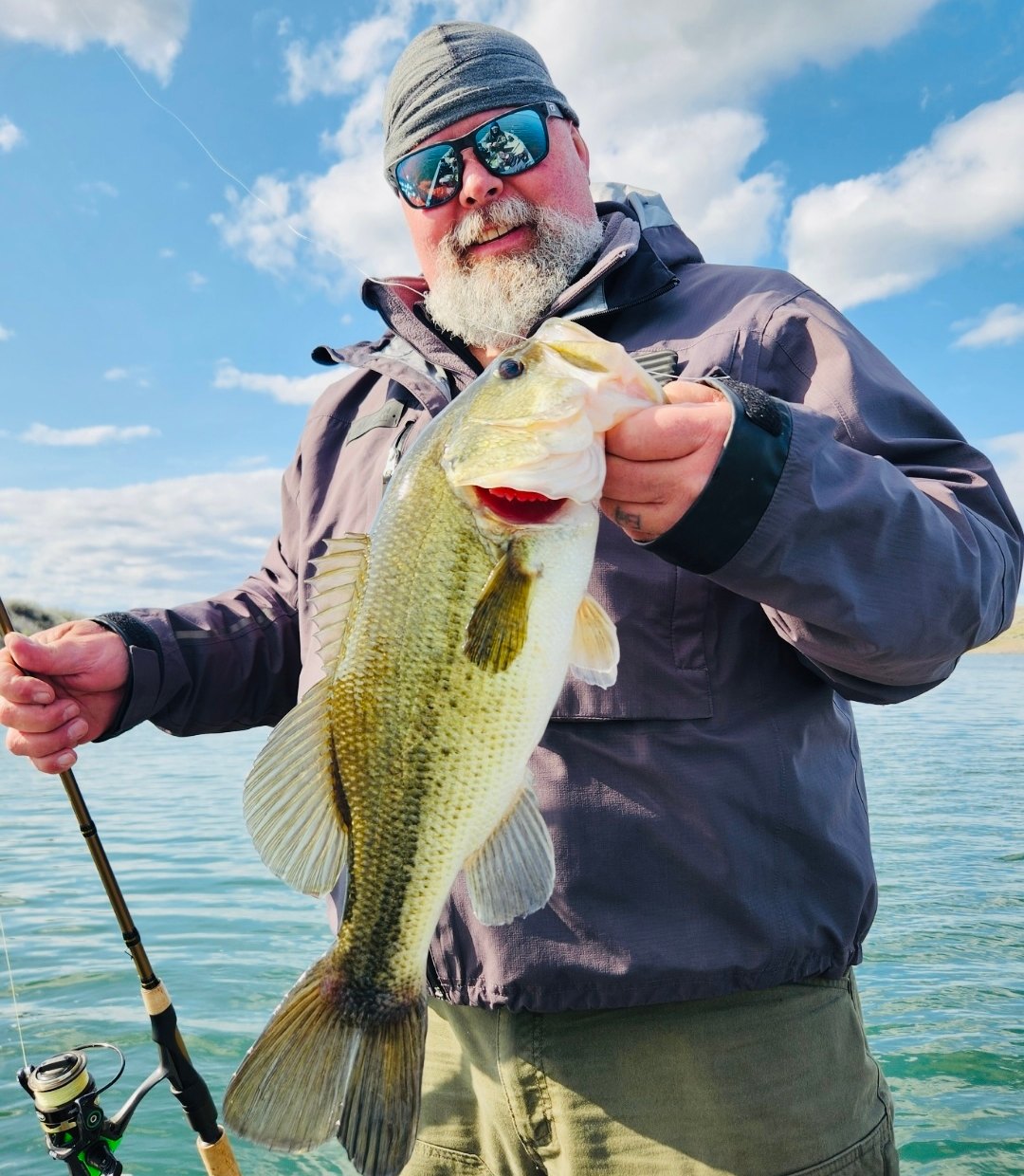
Fishing is a remarkably simple thing. You need some water, a fish, and some way to convince the fish to make a bad decision.
We have managed to complicate everything after that.
Boats. Electronics. Rods. Reels. Lures. Apps. Maps. Forecasts. Data.
I have contributed my share of the complication. I built a system whose entire purpose is to answer whether today is worth going, and I am not finished with it.
But lately I have been thinking about something that has almost nothing to do with catching fish.
Who makes sure we can keep doing this?
For most of my life I did not give that question enough thought. I bought a license, followed the regulations, tried to leave the places I fished the way I found them, and went fishing. I suspect that is where most of us are. I am beginning to wonder whether it is enough.
We are outnumbered by the people who use this water
There are roughly 675,000 fishing license holders in Washington. That sounds like a lot until you set it beside the other number: in 2022, 4.4 million Washington residents over sixteen took part in some form of wildlife-related recreation. Seventy-two percent of the state.
Anglers are outnumbered about six to one among the people with a claim on these places.
That is worth sitting with, because the usual version of this paragraph goes the other way. We spend a great deal — anglers, hunters and wildlife watchers put more than nine billion dollars into equipment and trips in 2022, and that spending generated an estimated $630 million for the state General Fund. It is easy to turn that into a grievance. We pay, therefore we are owed.
I do not think that argument is as strong as it feels.
The General Fund is not divided up by who generated it. Nobody’s sales tax comes back to them. And most of those 4.4 million people have as much standing on a lakeshore as I do.
What the numbers actually say is that we are one voice among several, and we are the ones who leave monofilament in the trees.
Somebody has to take care of it
The places where we fish do not maintain themselves. Boat launches need repair. Access needs protecting. Hatcheries run. Biologists collect data. Populations are monitored, habitat gets restored, regulations are written and enforced, invasive species are controlled, and sometimes a damaged fishery has to be rebuilt from very little.
None of that happens because I bought another crankbait.
There is a system underneath recreational fishing that is invisible when it is working. I launch the boat, I fish, I come home. Somewhere behind that sequence are thousands of decisions, millions of dollars, and people doing work most anglers will never see.
It is easy to forget. I certainly have.
Buying a license is not the end of the transaction
License money in Washington is dedicated. It cannot simply be taken and spent on something unrelated; it goes to fish, wildlife, habitat and the recreation that depends on them. That is worth knowing.
There is also a federal system most fishermen take part in without noticing. Excise taxes on tackle, fish finders, trolling motors and a share of boat-fuel revenue fund the Sport Fish Restoration program. Washington receives some of it, matches it, and spends it on management, research, hatchery production, habitat, monitoring and access.
So every time we buy certain gear, we are participating. Between licenses and that federal money, recreational anglers fund something in the order of a tenth of WDFW’s budget.
Which raises the question the cheque does not answer. Is writing it the whole of our responsibility?
Protecting fishing does not always look like protecting fishing
Ask ten fishermen what needs doing and you will get fifteen answers. More hatchery fish. Fewer hatchery fish. More enforcement. Different regulations. Predators. Habitat. Access. Harvest, of every kind. Dams. Water temperature. Development. Ocean conditions.
Everyone has an answer. Usually one that requires somebody else to change.
I have become suspicious of simple answers to complicated fisheries, which is part of why I am wary of the spending argument above. A salmon moving from the Pacific into the Columbia does not experience the river as a set of political jurisdictions, budget accounts and stakeholder groups. It experiences one system.
We might get better at seeing it that way.
Know your water
I am not going to hand you a list of seventeen things. Most of them would be things anyone could say.
Here are the ones only a fisherman would:
Read the regulation proposal, not just the final regulation. Comment when it affects water you actually know. Turn in your catch record, accurately, including the days you caught nothing. Clean the boat between waters. Pick up somebody else’s line.
And then the one that matters most, which is also the one I have spent this year learning is far harder than it sounds.
Know your water.
Not where the fish are. What threatens it. Who manages it. Where its water comes from. Which fish are native and which are not. When they spawn, and what changed in twenty years, and why.
I built an engine to answer questions like those, and the thing it has mostly taught me is how much I did not know. Half the lakes in this state have no temperature record anyone can reach. The catch report I rely on is four years old when it arrives. This summer, fewer steelhead passed Bonneville than in any year since the dam was finished in 1938, and I only know that because a fact sheet landed in my inbox.
It is difficult to care intelligently about something you only understand as a place to catch fish.
Our turn
My grandfather taught me to fish. I have written before about trying, imperfectly, to pass some of that to somebody else.
There is another part of it I had not thought about. It is not enough to pass down the knowledge. There has to be something left to use it on.
A river with fish in it. A lake you can reach. A beach where somebody can make a cast. A launch that still exists.
None of us owns those things. We inherit water shaped by decisions made before us, and for a while some of the decisions are ours. Then somebody else gets the water.
That does not mean agreeing with every decision WDFW makes. I do not. It does not mean fishermen agreeing with each other. We will not. And it certainly does not mean a thing is justified because somebody attached the word conservation to it. Ask hard questions. Expect good science, transparency, and money that accomplishes something measurable.
But participation cannot consist entirely of complaining after the fact. If we want a say in what happens to fishing, we have to use it before the decision is made.
Buy the license. Learn the water. Speak when it matters. Take somebody fishing.
Leave something worth coming back to, and give the next person their turn.